

Anchor the Decision: Aligning the Exact Garment Baseline
Before comparing bottom-line numbers, write a single-sentence definition of your purchasing decision and freeze your specification version.
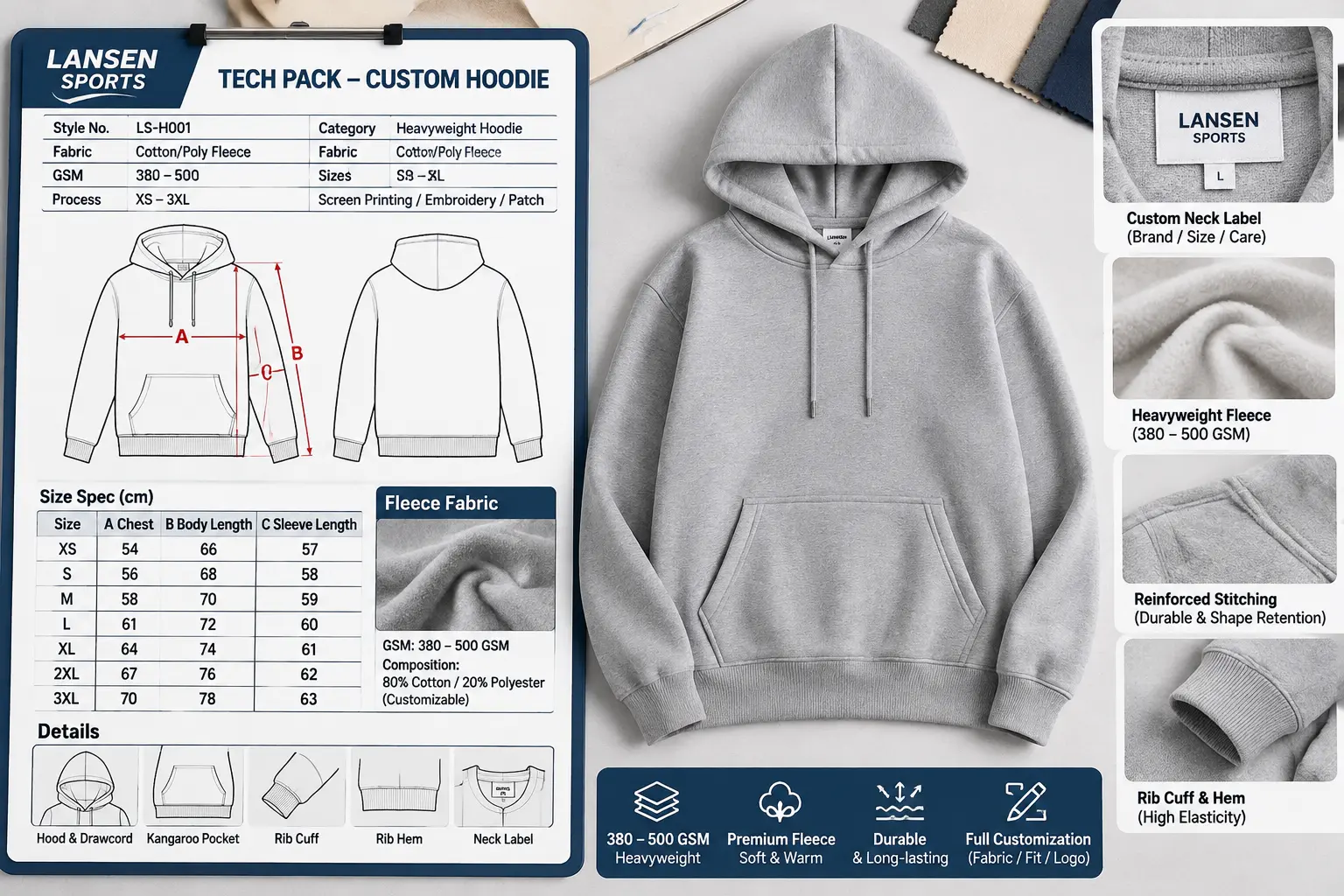
A formal manufacturing quote cannot be produced from a simple reference photo downloaded from social media. A photo shows visual intent, but it omits critical engineering variables:
Garment Silhouette & Fit: Oversized boxy streetwear cut, dropped shoulder, or standard athletic fit.
Fabric Specifications: Fiber composition (combed cotton, CVC, or cotton-poly blend), knitting structure (French Terry, brush-back fleece, or single jersey), and target fabric weight (midweight, heavyweight, or ultra-heavyweight GSM).
Colorway & Size Breakdown: Total project units, number of colorways, and precise size grading distribution across your target size curve.
Embellishment Placement: Screen printing, high-density puff print, direct-to-garment (DTG), or embroidery dimensions.
Branding & Packaging: Custom woven neck labels, satin wash care tags, branded aglets/drawstrings, and custom frosted polybags.
Check our detailed product brief guidance to separate confirmed technical specs from open development questions. When a factory quotes an incomplete brief, they are forced to make assumptions. Identify those assumptions early to ensure you are comparing like-for-like proposals rather than an open-ended guess against a finished tech pack.
Hidden Gaps Behind Low Apparel Quotes
When reviewing a quote, verify whether critical development and logistics costs are bundled or billed separately:
Pattern Drafting & Grading: Budget bids typically demand production-ready CAD patterns, while full-package OEM includes digital grading and fit tuning—saving outsourced engineering costs.
Proto Sampling & Courier: Benchmark rates often quote bench sewing only; full-scope partners bundle express international air freight, which can otherwise exceed the physical sample fee.
Tooling & Setup Charges: Low quotes exclude screen print setups and embroidery digitizing, significantly inflating your per-piece cost on low-MOQ runs.
Private-Label Trims: Look out for stock tags and generic cords. Custom-dyed drawstrings, metal aglets, and woven neck labels must be explicitly scoped.
Quality Assurance (QA): Verify if inspection is just a quick visual spot-check or a formal pre-shipment AQL standard to prevent marketplace returns.
Delivery Basis (Incoterms): An EXW or FOB port quote leaves overseas freight, import tariffs, and customs clearance to you. DDP terms bundle door-to-door logistics into one predictable landed cost.
Uncovering Supplier Assumptions: What Changes the Final Cost?
Ask every shortlisted supplier: "What operational conditions must remain true for this quotation to hold valid?" In garment manufacturing, a few unstated assumptions can instantly alter your gross margins.
Fabric Sourcing, Dye Lots, and Shrinkage
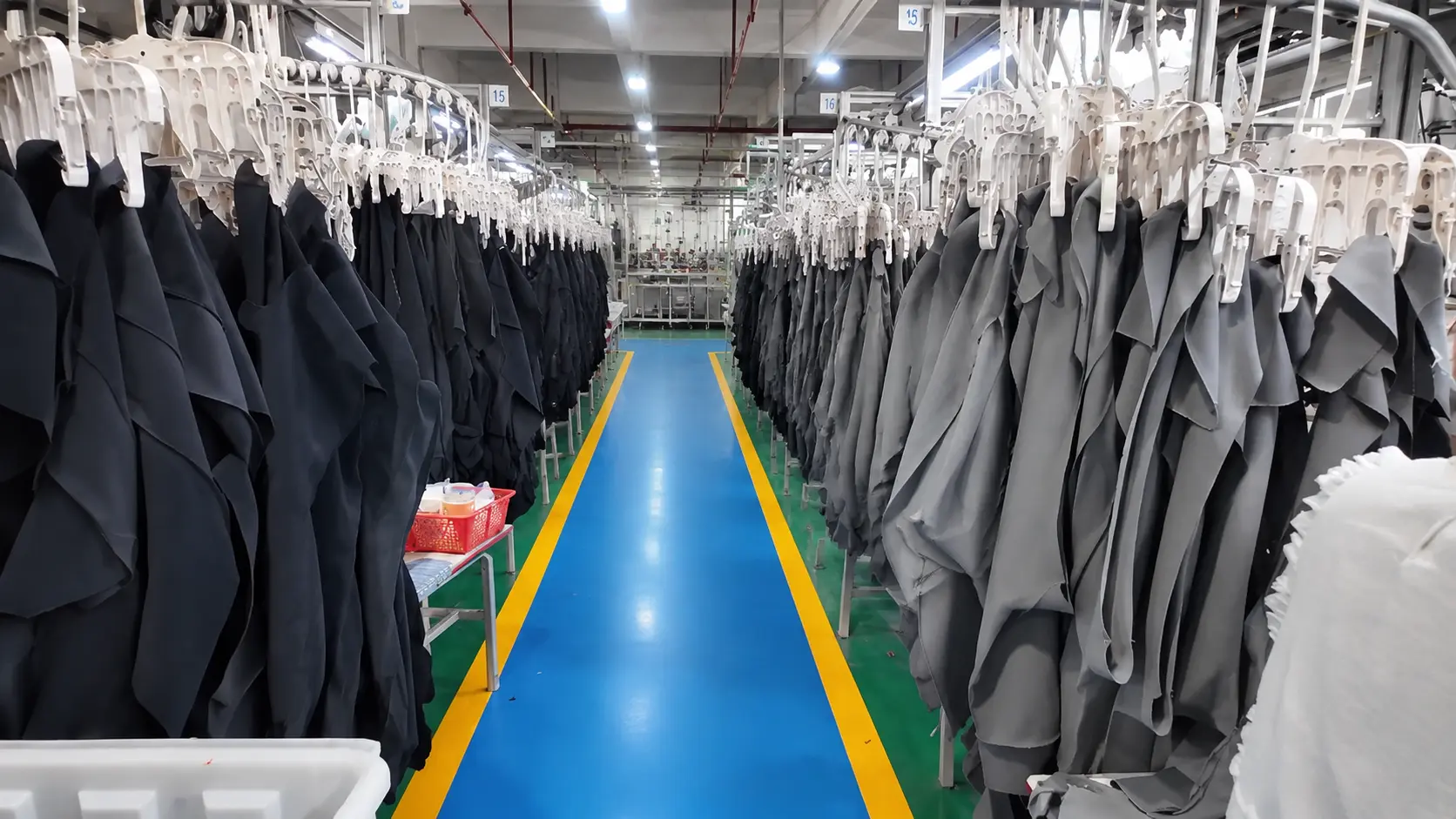
Stock Market Fabric vs. Custom Reactive Dyeing: Lower order quantities often rely on open-market stock fabrics, which may exhibit shade variances between batches. Conversely, custom-knitted fabrics require dedicated minimum dye lots to achieve exact Pantone color matching through dip testing.
Pre-Shrunk Garment Wash: High-cotton heavyweights require enzyme washes or pre-shrinkage tentering. If excluded from the base quote, expect substantial garment shrinkage after consumer laundering.
Embellishment Techniques and Tooling
Different printing techniques drastically shift unit costs and minimums:
High-Density Puff Print: Demands precise heat curing and higher defect allowances on fleece.
Screen Printing: Highly cost-efficient for single-color designs at scale, but setup fees accumulate across multi-color artwork.
Direct-to-Garment (DTG): Ideal for complex photo gradients on cotton T-shirts, but carries a higher per-garment production rate than traditional screen runs.
Demystifying Commercial Terms (Incoterms, Validity & Payments)
Never assume industry standard terms when reviewing a proforma invoice or quotation sheet. Commercial mechanics must be documented explicitly:
Quotation Validity Window: Raw yarn indexes and international container freight rates fluctuate. Verify whether the proposal is fixed for two weeks, a month, or an extended evaluation window.
Milestone Payments: The standard commercial framework for reputable overseas garment manufacturing involves an initial deposit upon PO issuance to initiate yarn purchasing and knitting, with the remaining balance due following third-party inspection sign-off prior to port dispatch. Avoid vendors requesting full advance payments before sample approval.
Lead Time Benchmarks: Dissect the delivery schedule into distinct phases: proto sample drafting, fit sample sign-off, and bulk cut-and-sew manufacturing after lab dip and sizing approvals.
Actionable Next Step: Resolving Quote Ambiguities
Before making a final supplier commitment, never assume missing items are included by default. Send a standardized scope clarification request to each shortlisted factory to verify four key operational details:
Fabric & Wash Treatments: Clarify whether the quotation is based on open-market stock fleece or custom-knitted fabric with reactive dyeing and garment pre-shrinking.
Setup & Tooling Costs: Ask if screen print setup charges and embroidery digitizing fees are amortized into the unit price or billed as a separate one-time development invoice.
Branding & Packaging: Confirm whether custom woven neck labels, care tags, branded drawstrings, and polybags are included in the unit price or quoted separately.
Commercial Shipping Terms: Require the supplier to specify the exact Incoterm—whether the price is EXW (factory pick-up), FOB port departure, or door-to-door DDP to your destination warehouse.
Documenting these responses alongside your current tech pack version provides a clean, auditable baseline—ensuring you select a production partner based on genuine landed costs rather than incomplete figures.
Frequently Asked Questions (B2B Sourcing FAQ)
Why is there a wide price gap between two quotes for the same hoodie?
The lower quote typically excludes pattern grading, uses open-market stock fabric instead of custom-knitted combed cotton, omits brand packaging, and quotes on an EXW (factory floor pick-up) basis where you bear international logistics, customs clearance, and import duties separately.
Should sample development fees be credited back against bulk orders?
Yes. Professional OEM/ODM manufacturers routinely deduct initial proto sample development fees from the final balance payment once your bulk purchase order meets the agreed production volume threshold.
Which Incoterm is safest for US-based DTC brands buying from China?
DDP (Delivered Duty Paid) offers the highest cost certainty for emerging and mid-sized brands. Under DDP terms, the manufacturing partner assumes full responsibility for export handling, international freight, US customs clearance, and import tariffs, delivering directly to your door or 3PL warehouse without surprise brokerage fees.
What is the realistic turnaround time from Tech Pack approval to warehouse delivery?
For custom-knitted streetwear apparel, expect dedicated turnaround windows for proto sampling, a multi-week bulk cutting, sewing, and QC production window, followed by transit time depending on whether you ship via ocean vessel or express air freight.
Ready to Streamline Your Custom Apparel Production?
Stop guessing what is inside your manufacturing quote. Partner with an engineering-focused OEM/ODM supplier that provides total cost transparency from day one.
Free Tech Pack & Spec Review: Our pattern engineers identify fabric shrinkage, stitch tension, and graphic placement pitfalls before you spend money on sampling.
True One-Stop Solution: From yarn knitting and reactive dyeing to custom trims, pre-shipment inspections, and door-to-door DDP logistics.
Transparent Tiered Pricing: Receive an itemized quotation separating fabric, labor, tooling, and shipping costs.
👉 Submit Your Tech Pack or Garment Brief to Get an Itemized Project Quotation
Planning to Visit the Canton Fair? Let’s Connect in Person!
If you are traveling to China to attend the Canton Fair, we welcome you to meet our senior export team face-to-face.
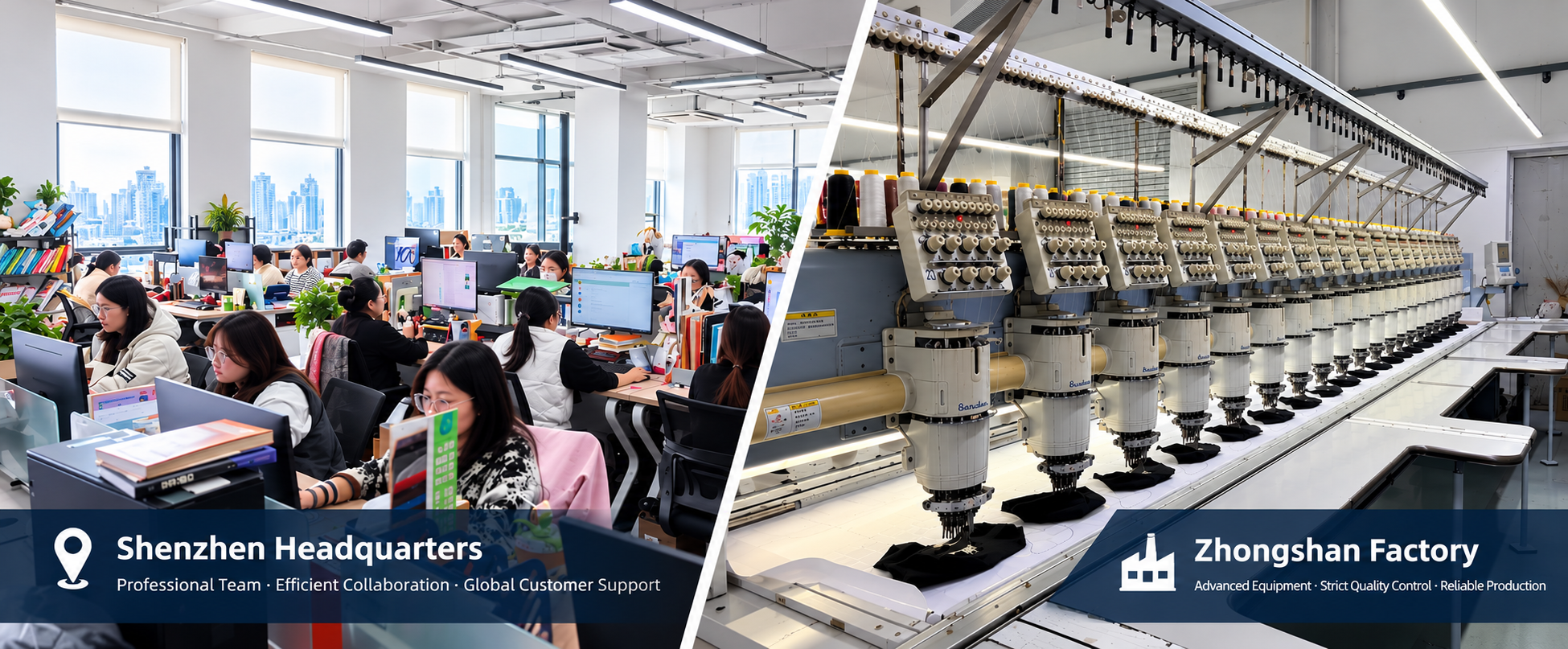
Corporate Headquarters: Conveniently located in Shenzhen, ideal for in-depth tech pack reviews, trend sourcing, and product development strategy sessions.
Source Manufacturing Facility: Visit our primary garment production lines in Zhongshan to inspect our knitting machines, automated cutting beds, screen print lines, and quality inspection stations firsthand.
👉 Schedule an On-Site Factory Tour or Canton Fair Meeting with Our Team