The Hidden Risks in Sourcing: Trading Brand vs. Direct OEM Manufacturer
A trading brand, a legal contracting company, and a physical manufacturing facility can often be completely different organizations. When you work with a middleman rather than a direct manufacturer, you expose your brand to several risks:
Margin Stacking: Middlemen add their own profit margins on top of the factory's production cost, eating into your bottom line.
Communication Lags: Feedback on complex tech packs, fabric weights, or custom trims must pass through an intermediary, leading to costly mistakes during sampling.
Quality Inconsistencies: Trading companies often outsource your bulk orders to whichever facility offers the lowest price that month, meaning your second batch of heavyweight hoodies might feel completely different from your first.
Working with a direct Custom OEM/ODM Manufacturer ensures you have direct control over fabric selection, quality control (QC), and production timelines.
4 Crucial Steps to Identify Your True Manufacturing Partner
Before you send a tech pack or pay for a sample, run your potential apparel sourcing partner through these four verification steps.
1. Cross-Check Legal Entities and Facility Addresses
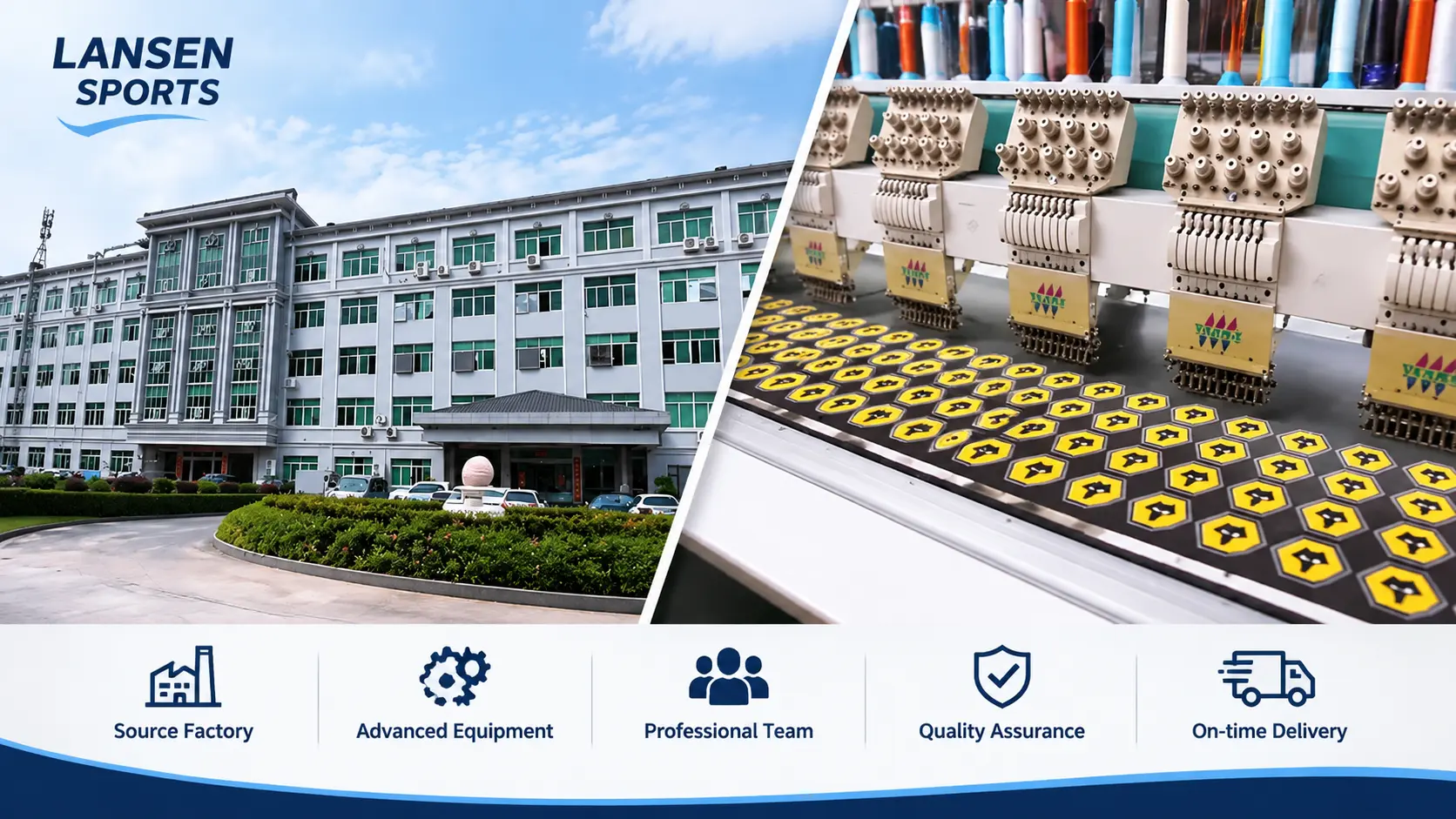
Do not assume a polished website logo represents a physical supply chain. Always request their Business License and compare the registered legal entity with the name on their quotation and website. Furthermore, verify if the registered address is an office building (typical of trading companies) or an industrial park (typical of real factories).
2. Test Their Technical Expertise
Confirming legal identity does not prove product capability. A true source factory understands the hard parameters of apparel manufacturing. Test their E-E-A-T (Experience, Expertise, Authoritativeness, and Trustworthiness) by asking highly specific technical questions:
“What is the expected shrinkage rate for a 450 GSM 100% cotton French Terry?”
“What are the limitations of Puff Print versus DTG (Direct-to-Garment) on heavyweight hoodies?”
A direct factory production manager can answer these instantly. A middleman usually has to "check with the production team" and get back to you a day later.
3. Match Invoices and Contracting Parties
Your procurement process must prioritize financial security. The entity that signs your project agreement must be the exact same entity listed on the bank account receiving your payment. If a supplier asks you to send payment to a different company name or a personal account, this is a major red flag indicating a fragmented supply chain or an unauthorized broker.
4. Request a Live Video Tour of the Production Line
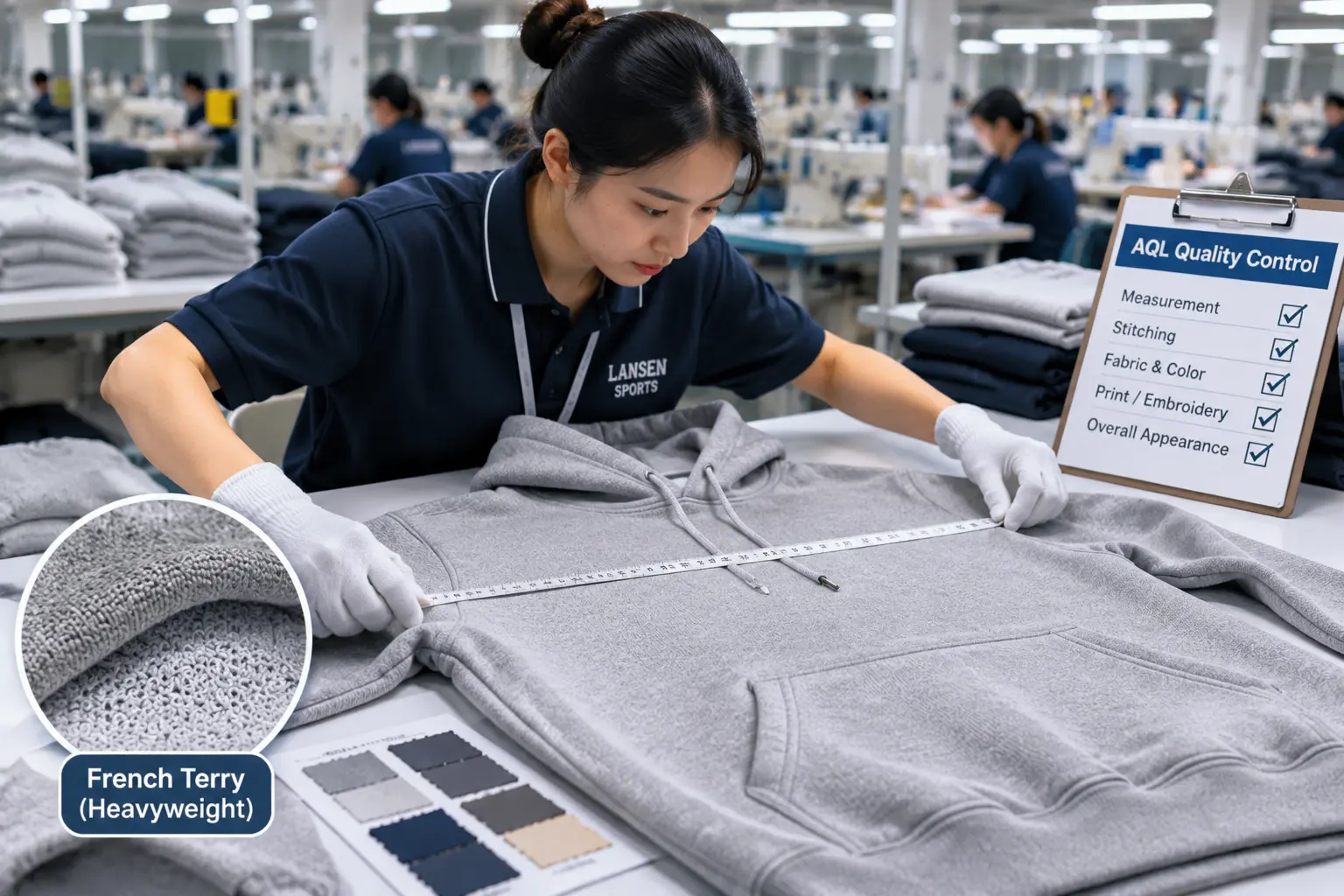
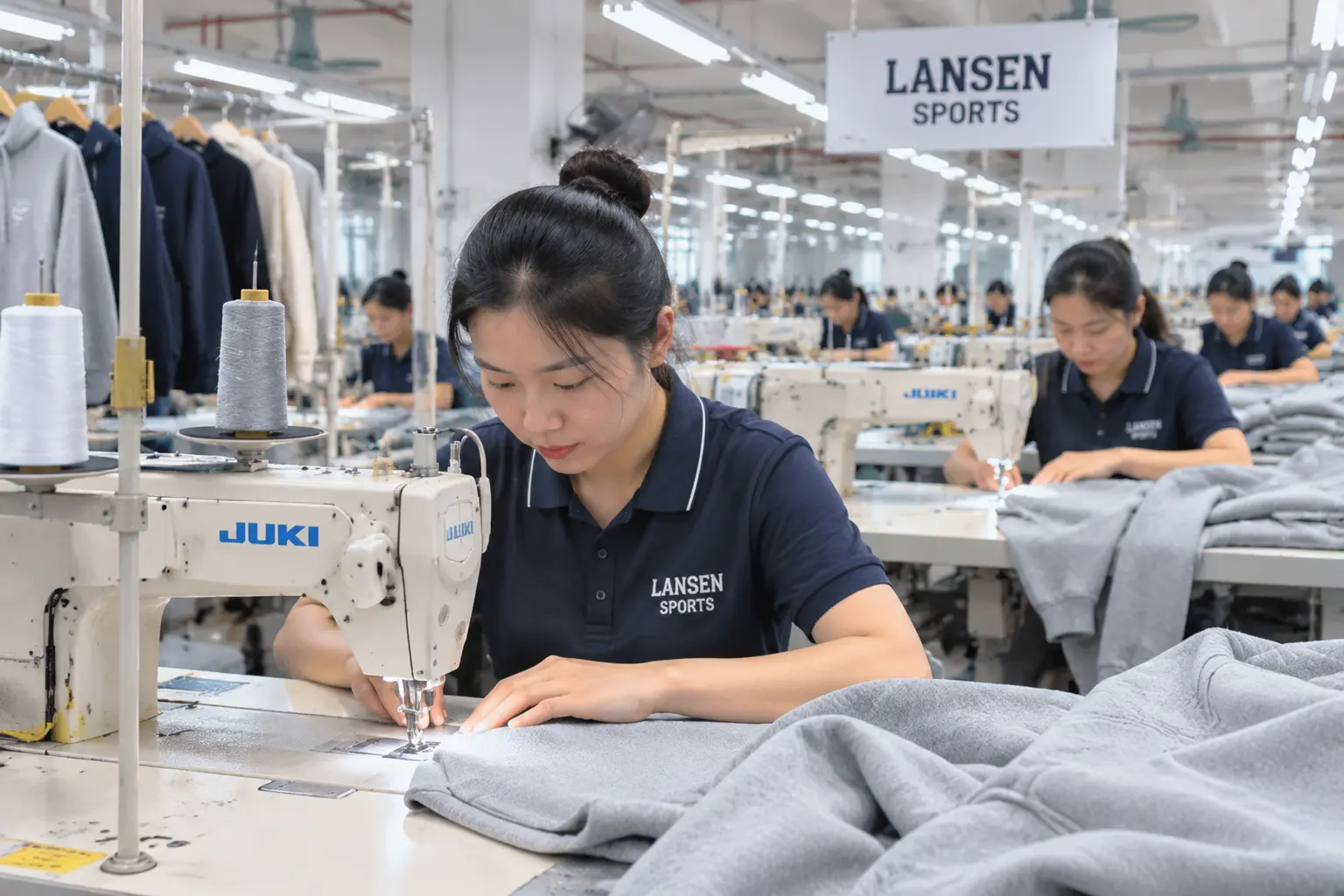
A dated facility photograph is no longer sufficient evidence. Request a quick WhatsApp or WeChat video call during their working hours to see the factory production lines in action. Ask them to show you the fabric cutting area, the sewing lines, and the QC inspection stations.
Why a Transparent "One-Stop Solution" Secures Your Brand
To eliminate the guesswork, partner with a supplier that operates as a true "One-Stop Solution." At Lansen Sports, we pride ourselves on absolute transparency. From the moment you hand off your designs, our in-house team handles everything: fabric sourcing (350 GSM to 500+ GSM), tech pack review, pattern making, sampling, bulk production, stringent QC, and global shipping.
We don't outsource your brand's reputation. We act as an extension of your own business, giving you full visibility into every step of the garment development process.
FAQs on Verifying Custom Clothing Suppliers
How can I tell if a supplier on Alibaba is a trading company or a direct factory? Check their business profile for "Manufacturer" vs. "Trading Company" verification tags. Also, look at their product catalog—if they sell hoodies, electronics, and car parts simultaneously, they are a trading company. True factories specialize in specific categories like sportswear and loungewear.
What is an acceptable AQL standard for custom heavyweight hoodies? For premium custom streetwear, you should expect your factory to adhere to an AQL 2.5 (Acceptable Quality Limit) standard for major defects. Always ask your supplier about their specific QC protocols before starting bulk production.
Do direct manufacturers offer low MOQ for startup brands? Yes, reliable factories can offer flexible or low MOQs (Minimum Order Quantities) for startup brands, especially if they have efficient, modern production lines designed to support emerging DTC labels.
Discuss Your Next Apparel Project With Us
Stop guessing who is actually making your clothes and secure your supply chain with a direct manufacturer.
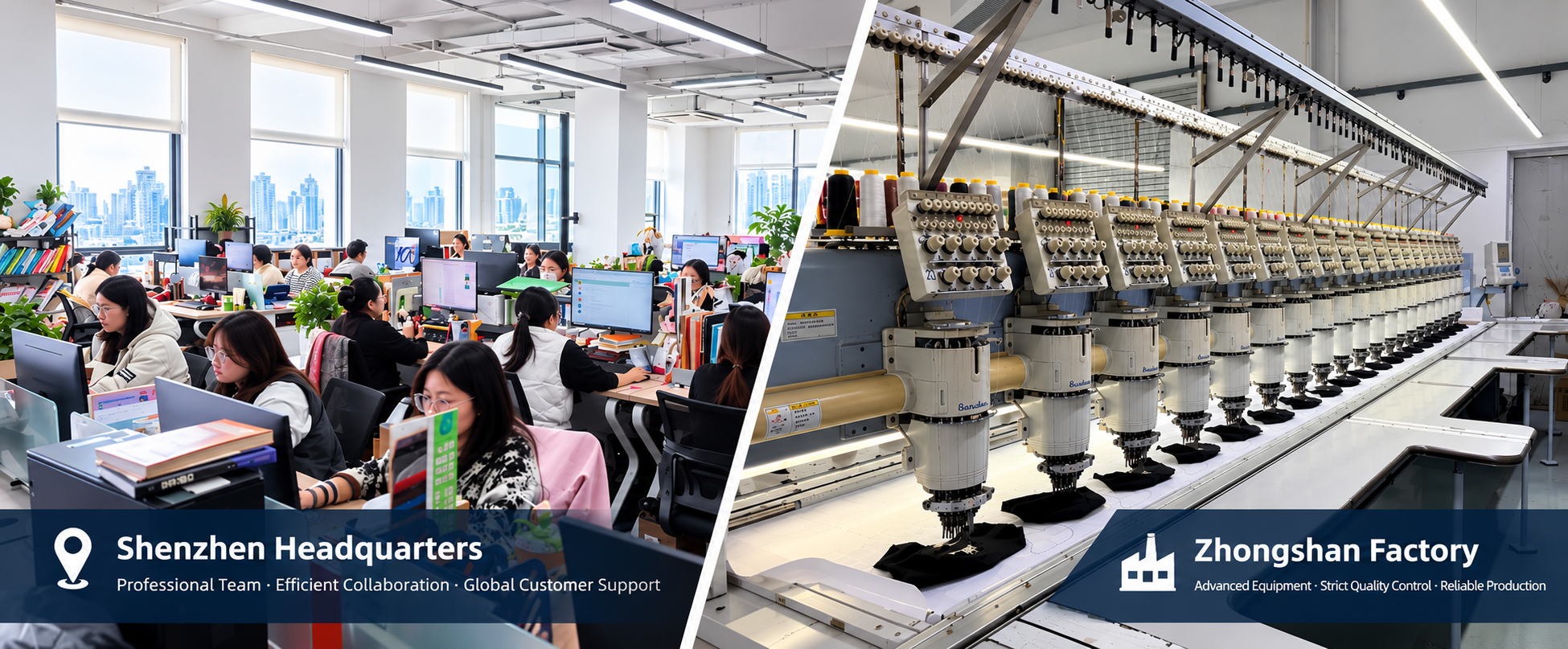
Planning to attend the Canton Fair? We would love to meet you face-to-face to discuss your custom hoodies, sweatpants, and T-shirt lines! You are also warmly welcomed to visit our corporate headquarters in Shenzhen and tour our direct-source manufacturing factory in Zhongshan to see our production capabilities firsthand.
Ready to bring your apparel ideas to life? Send your project brief or Tech Pack to our team today for a free review.
Contact Lansen Sports or email us directly at sales@lansensports.com to get a quick, custom quote.