Lead with the Product and Wearer
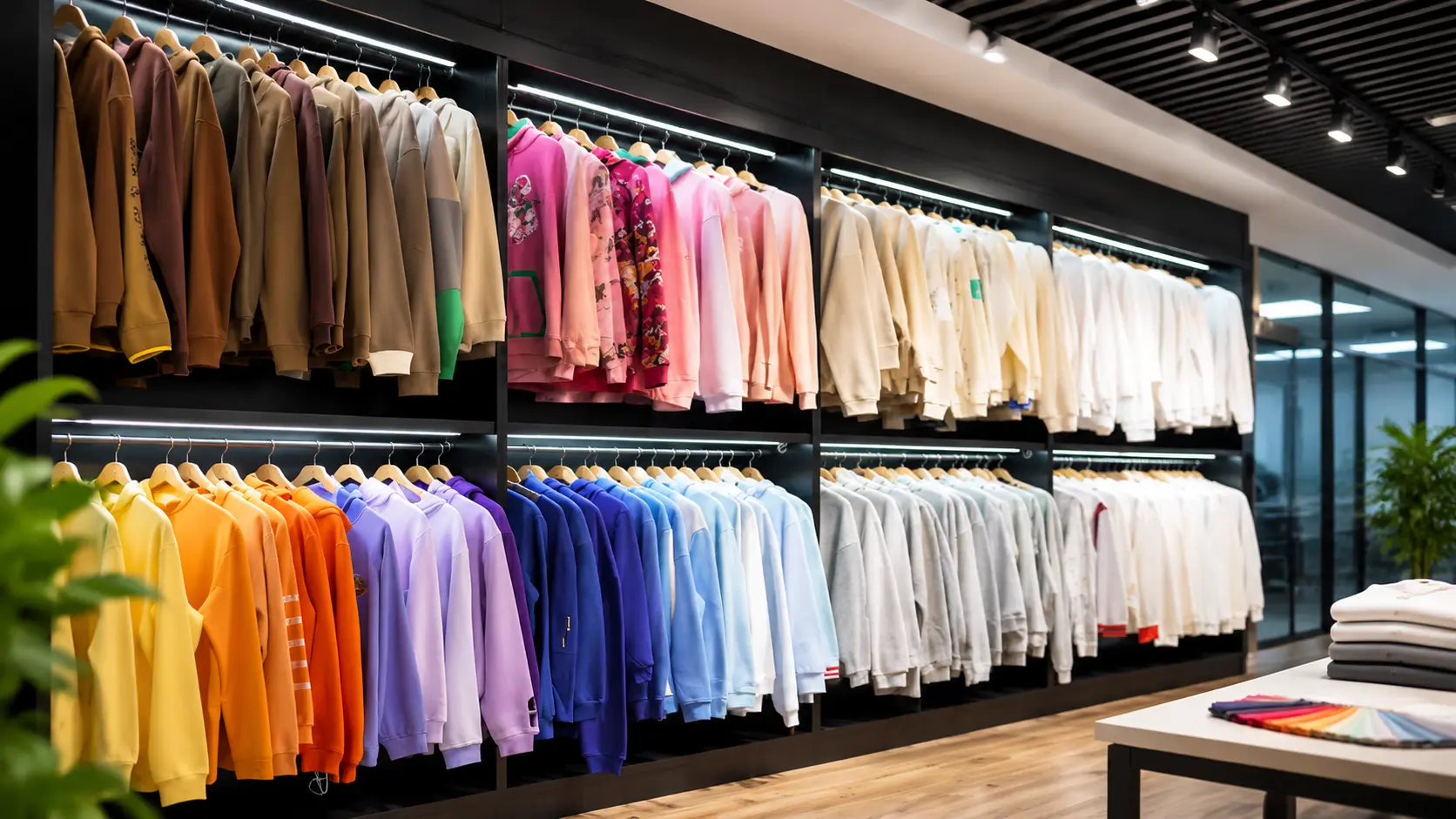
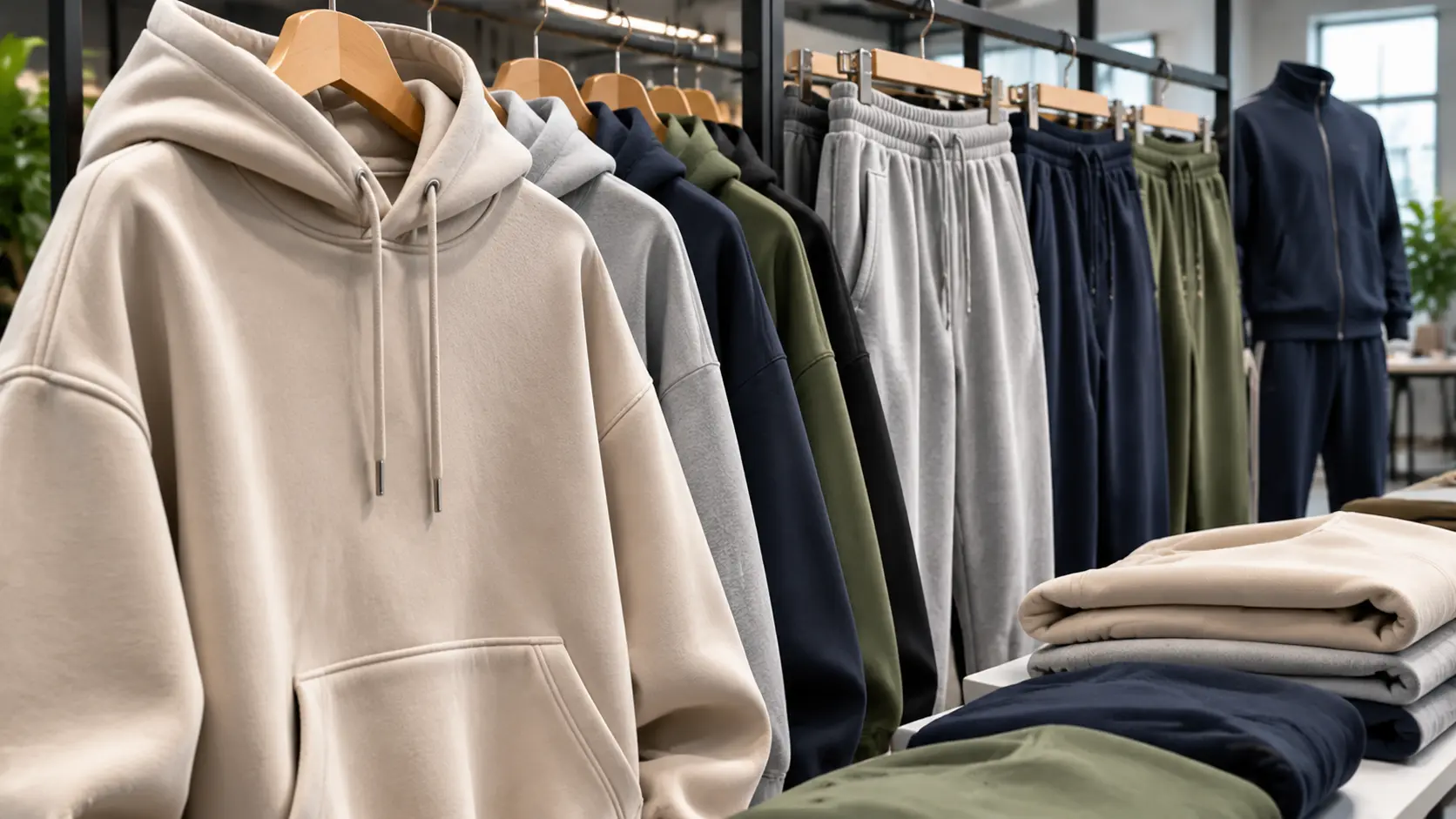
Name the garment category, intended wearer and use setting. Whether you are developing custom hoodies, sweatpants, or performance t-shirts for your brand, a performance top for a specific activity and an event tee may look similar in a short message but raise different material and fit questions. State whether the project is an early idea, a sample revision or a more defined specification. This helps the recipient respond at the right level.
Share the Inputs You Already Have
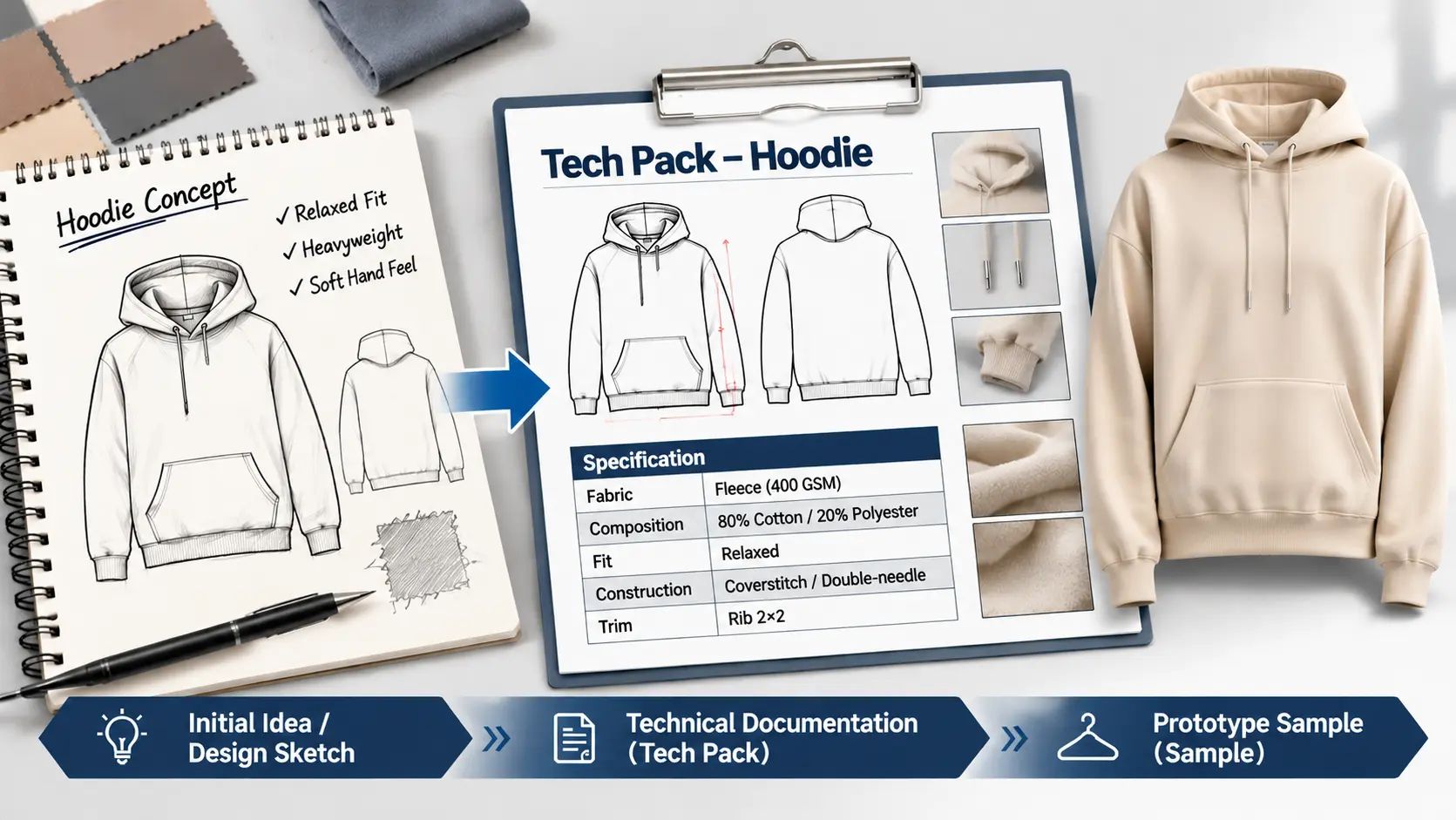
A sketch, annotated reference, existing sample or short material note can make the idea understandable. Explain what each image is meant to show. Identify which details have been approved and which are provisional. If you share third-party artwork or a customer product, clarify its permitted use before asking anyone to reproduce it.
List the important open questions
A first enquiry does not have to answer everything. It should show the decisions that matter next: material direction (such as fabric choice, knit type, or target GSM), silhouette, sizing, decoration methods like custom screen printing, embroidery, sampling purpose or technical feasibility. Separate a preferred outcome from a confirmed requirement. Approximate quantity and timing may help frame a discussion, but label them as estimates until the project scope is agreed.
Ask for a Specific Next Step & Define Low MOQ Support
Close with the response you need. You might ask what information is missing for a first sample, whether two material directions should be compared, or what a later quotation would require. A generic request for the best price before the garment is defined is unlikely to resolve the development questions that shape the project. Furthermore, take advantage of our OEM/ODM low MOQ support starting at 100 pcs per style/color to easily test the market.
The goal of the first exchange is a clearer next decision, not an assumed production promise.
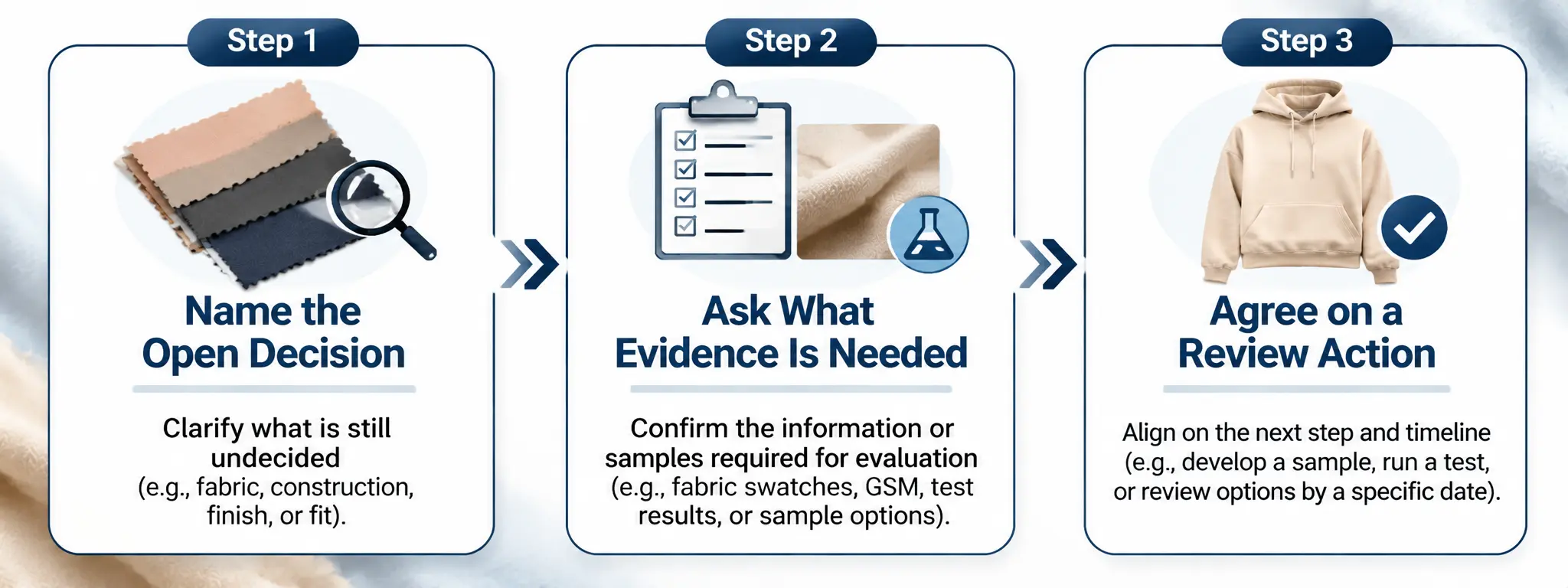
Record What Was Agreed (Version Control)
Save your submitted project brief and follow-up notes in a single, version-controlled workspace. When a design detail changes, update your brief rather than relying on scattered message threads. Product specifications, material availability, lead times, and commercial terms should always be formally confirmed before your team treats them as production commitments.
Frequently Asked Questions (FAQ)
Q1: What should I include in my first custom hoodie enquiry?
A: Include the garment category (e.g., heavyweight streetwear hoodies), target wearer, rough quantity estimates, target delivery timeline, and any available design sketches, tech packs, or reference photos.
Q2: Do you support low MOQ for startup clothing brands?
A: Yes! We provide flexible low MOQ support starting at just 100 pieces per style and color, helping emerging brands scale efficiently with lower financial risk.
Q3: How long does the sample development phase typically take?
A: Sample development usually takes around 7 to 10 days, depending on custom fabric sourcing, dyeing, and specialized decoration techniques like complex embroidery or high-density screen printing.
Ready to Bring Your Apparel Line to Life?
Have an apparel idea and want expert guidance on your technical specifications? Contact Lansen Sports today to review your project brief and get a fast response within 24 hours.
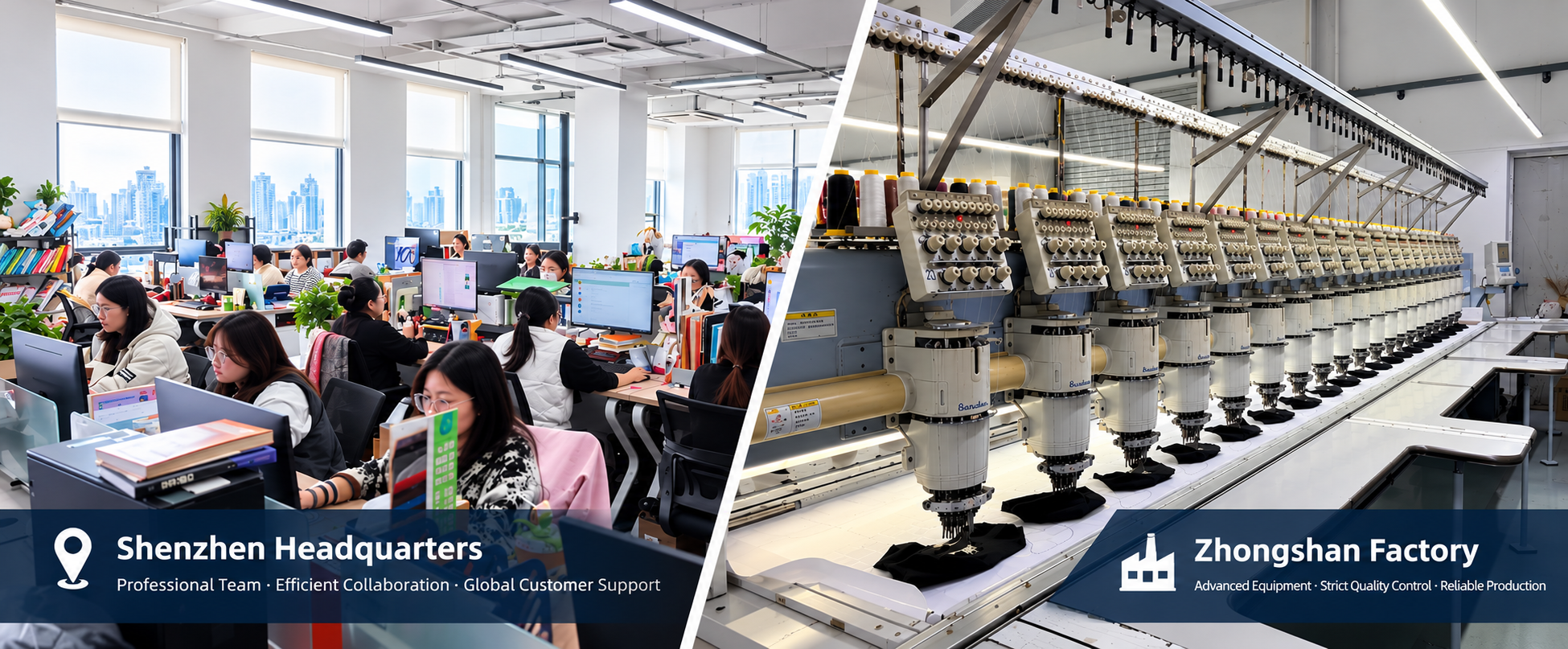
Planning to attend the upcoming Canton Fair? We warmly invite you to meet our team in person! Our sales headquarters is conveniently located in Shenzhen, and our state-of-the-art manufacturing factory is based in Zhongshan, Guangdong.