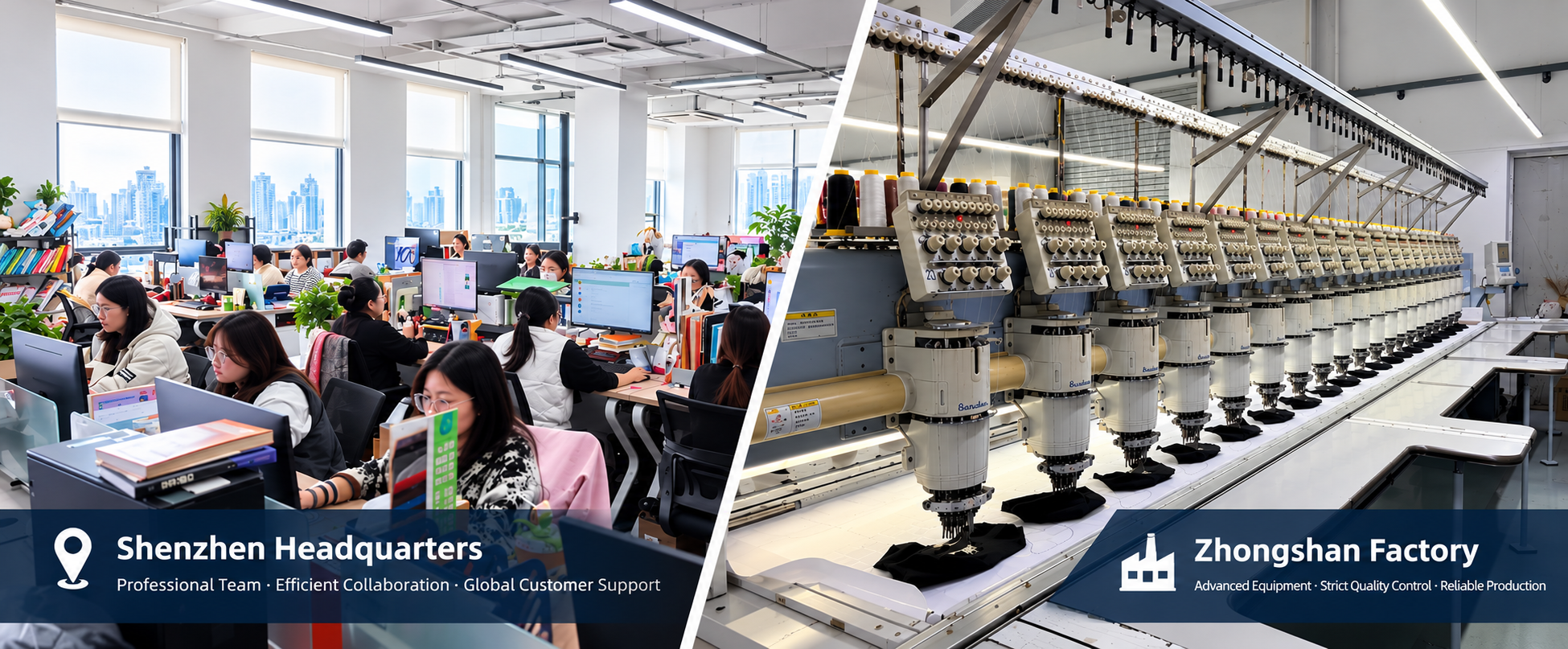
Ask What the Image Actually Depicts
A photograph may show a sample room, a production line, a partner facility, an earlier project, or even a general illustration. When reviewing a supplier's gallery:
Inquire about context: Ask when and where the photo was taken.
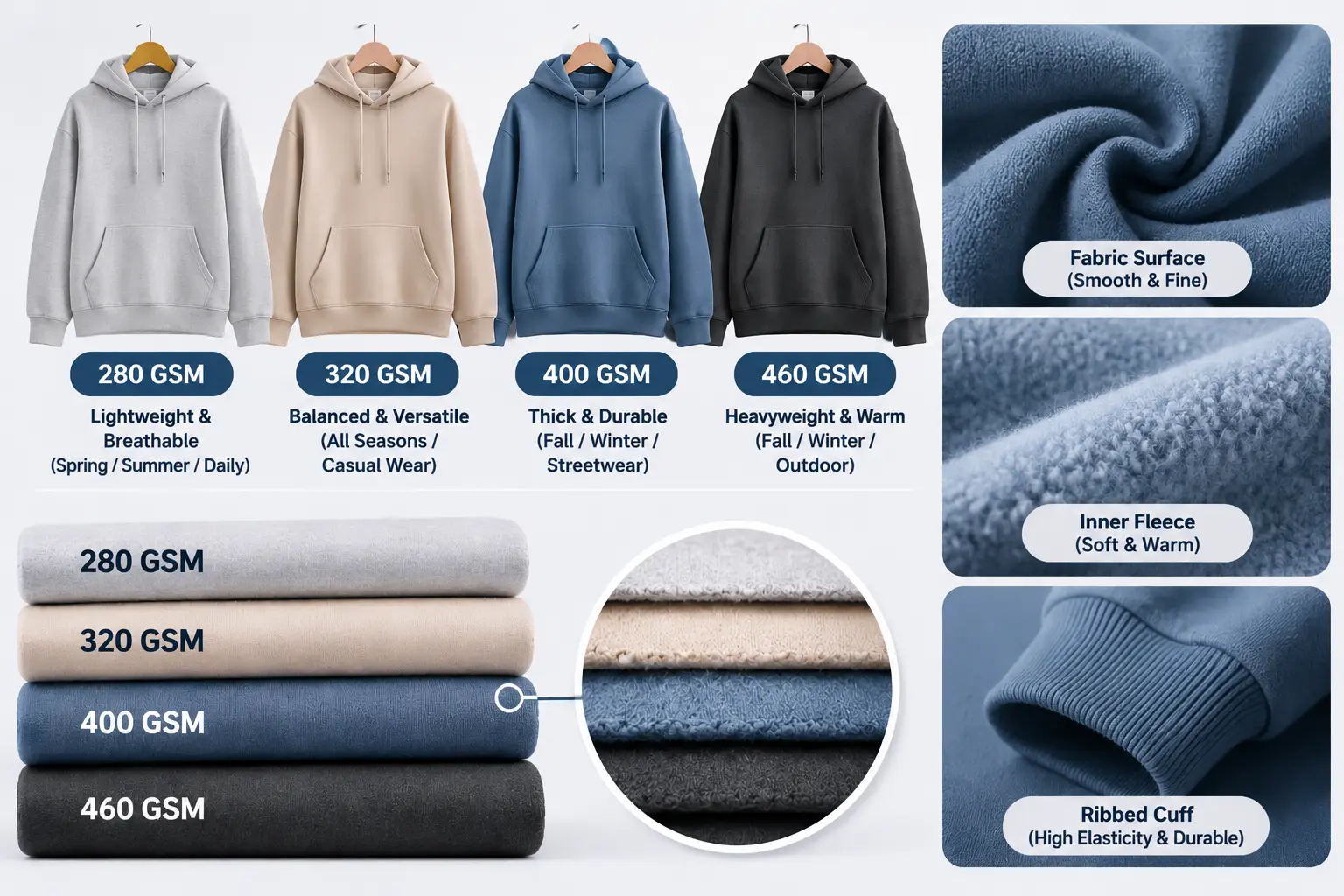
Verify product relevance: Ensure the pictured garment (e.g., lightweight cotton T-shirts vs. heavyweight fleece hoodies) relates directly to your proposed product category.
Understand limitations: A photo is a useful conversation aid, but it cannot alone establish current factory capacity, a robust quality system, or a guaranteed delivery result.
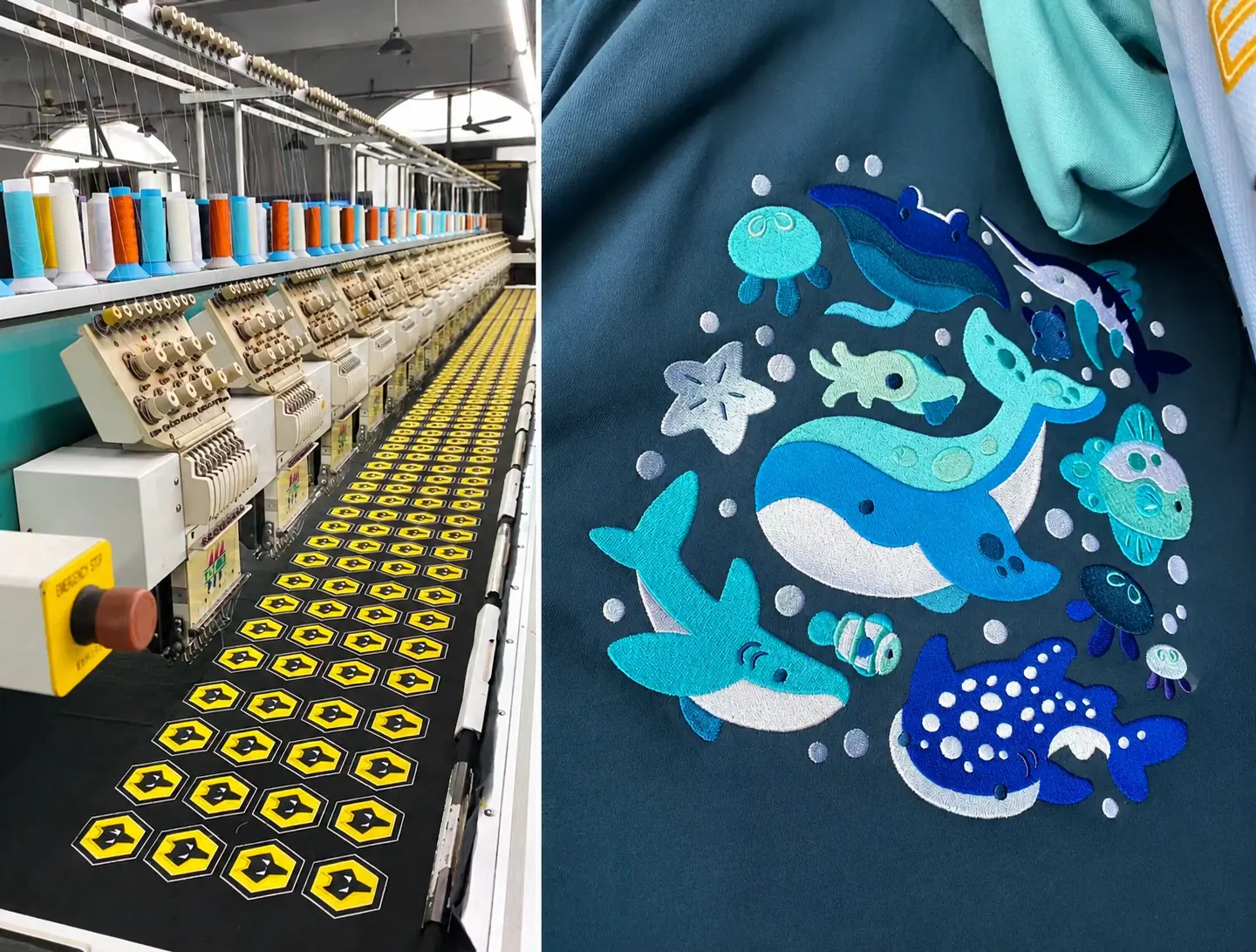
Connect the Visual to a Process Question
If a specific cutting, sewing, or embellishment step matters for your garment project, you need to know how that step will be specified and checked.
For example, if you are developing custom hoodies with heavy fleece fabrics, a process visible in a lightweight T-shirt image may not apply.
Always request relevant physical samples, technical specifications, or project records instead of inferring the outcome solely from background details in a photo. For more insights on building your line, check out our latest updates on the News page.
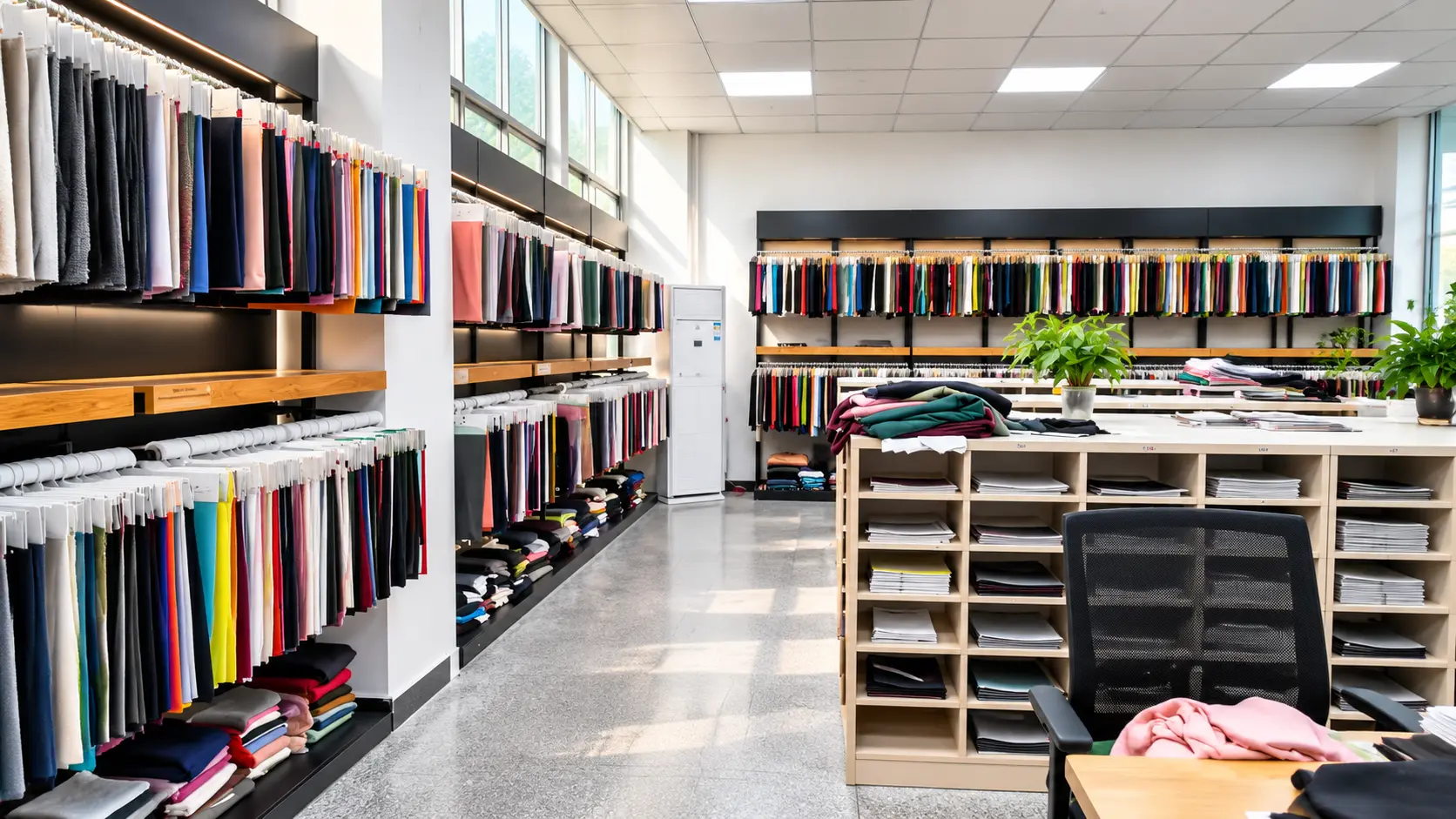
Look for Context Beyond the Frame
A clean close-up can make a single stitch or machine look persuasive while leaving the broader workflow unclear. When evaluating your Products or sourcing partners:
Note the product type, production stage, and any visible limitations of the imagery.
Compare suppliers using the same strict evaluation criteria rather than ranking them by how polished their marketing photos look.
Look for an integrated partner offering a One-Stop Solution—managing everything from fabric development and pattern-making to bulk production and global shipping. Learn more about our end-to-end capabilities on our OEM/ODM page.
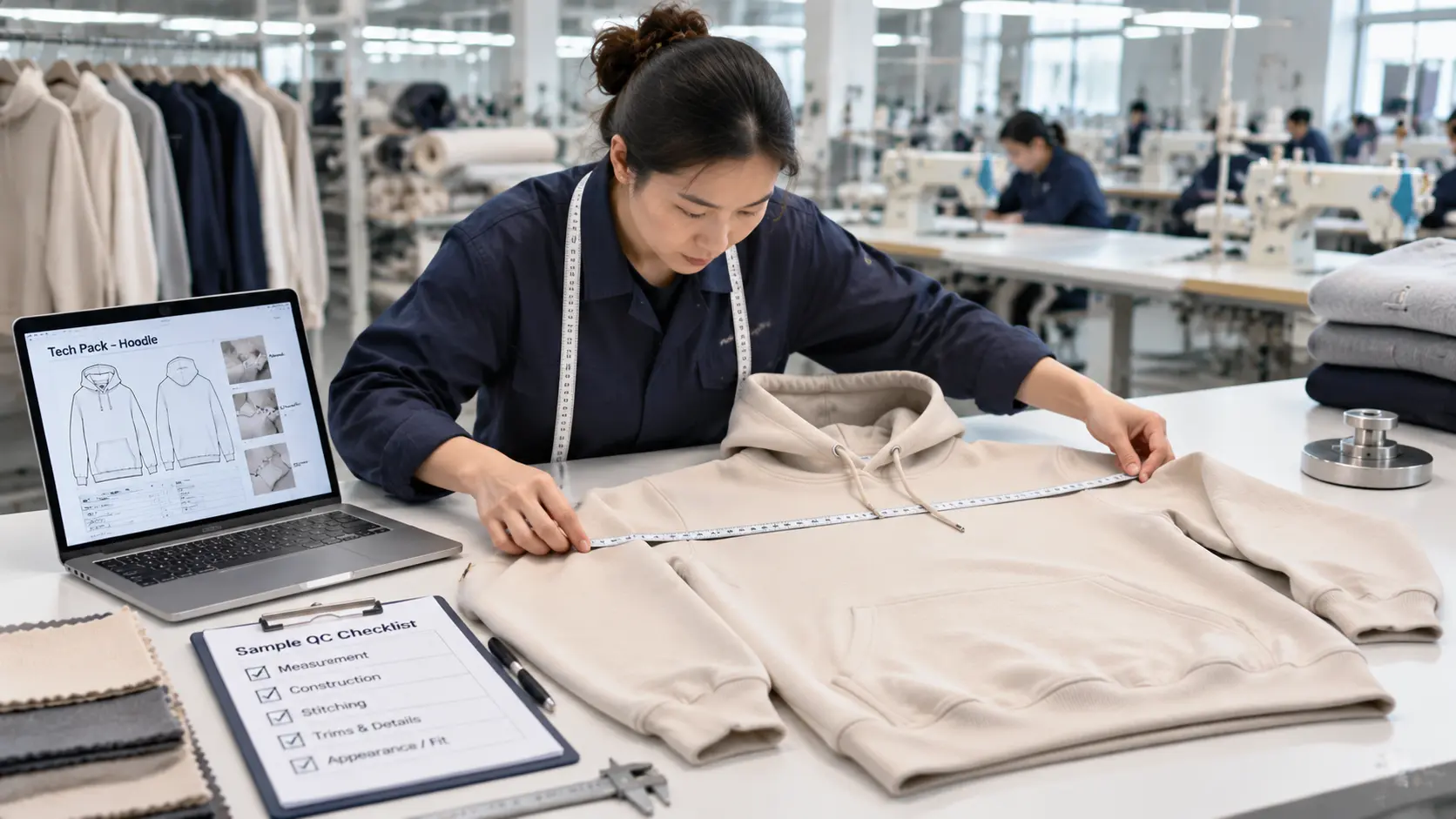
Clarify Image Rights and Identity
Production photos can include employees, customer designs, facility details and third-party marks. Ask who owns the image and whether it may be shared outside a private sourcing discussion. Do not treat a customer's logo or an unnamed partner facility as an endorsement. Public case studies need their own permission and accurate description.
Turn Observations into Actionable Verification Steps
To bridge the gap between digital visuals and real-world execution, take these practical steps:
Write down specific concerns: Note what questions or doubts a production photo raised.
Request matching evidence: Ask for physical fabric swatches, technical spec sheets, or video walkthroughs of specific workstations.
Keep claims narrow: Ensure any performance or facility statement is tied directly to verified information for your actual apparel project.
FAQ
Q1: What is the typical MOQ for custom hoodies and sweatpants?
A: We understand the challenges faced by emerging brands and independent designers. We offer flexible, low Minimum Order Quantities (MOQ) to help you launch your custom apparel collections with minimized financial risk.
Q2: How long does sample development and bulk production take?
A: Standard sample development typically takes 7 to 10 business days. Bulk production timelines generally range from 20 to 30 days depending on order volume, material availability, and custom craftsmanship requirements, ensuring your inventory arrives on schedule.
Q3: Do you provide an end-to-end one-stop solution?
A: Yes. As a comprehensive OEM/ODM apparel manufacturer, we handle the entire lifecycle of your product—ranging from fabric sourcing, pattern making, screen printing or embroidery, multi-stage QC inspections, to secure global direct shipping.
Discuss Your Project
Have an apparel idea?
Share what is decided and what still needs discussion. Our team can review your project brief and help bring your custom hoodie, sweatpants, or T-shirt line to life.
If you are planning to attend the upcoming Canton Fair, we warmly welcome you to schedule a face-to-face meeting with us! Our corporate headquarters is located in Shenzhen, and our direct-controlled manufacturing facility is based in Zhongshan.